
Screen-Free Rainy Day Play: 12 Indoor Ideas by Age
Stuck inside on a wet day or a long school holiday? Here are 12 practical, screen-free activities by age, using things you already have at home and a few simple toys.
The rain sets in, the school holidays stretch ahead, and the tablet starts calling. Screens have their place, but a wet day is also a good chance to slow down and play. The good news is that most of the best indoor play needs very little: a few household items, some floor space and a grown-up willing to get things started.
Below are 12 ideas sorted by age. Treat the ages as a rough guide: plenty of older kids still love a cubby.
The Australian 24-Hour Movement Guidelines, summarised by Raising Children Network, suggest no screen time for children under 2 and no more than one hour a day for children aged 2 to 5. You don't need to be perfect. Having a few go-to activities just makes it easier to reach for something else.
Toddlers (around 1 to 3 years)
1. The kitchen cupboard band
Pull out pots, plastic containers and wooden spoons and let your toddler bang, stack and nest. Fill a plastic bottle with dry rice and tape the lid down firmly for a shaker. Loud, but great cause-and-effect learning.
2. Posting and sorting
Cut a slot in the lid of a shoebox or an old formula tin and let your child post large items through it: playing cards, jar lids or chunky blocks. Then tip it out and start again. Sorting the same items by colour into muffin tin holes is a nice next step.
3. Pillow mountain
Pile couch cushions and pillows on the floor and let them climb, roll and tumble. Keep it away from furniture corners and stay close by. It burns off energy that would otherwise end up bouncing off the walls.
Product Safety Australia warns that small parts can be a choking hazard for young children, and toys made for children up to 36 months must meet a mandatory safety standard for small parts. Always check the age guidance on the packaging, and keep small household items such as coins, beads, button batteries and small magnets well out of reach.
Preschoolers (around 3 to 5 years)
4. Build a cubby
Chairs, a clothes airer and a couple of bedsheets make a cubby in five minutes. Add a torch, a few books and a teddy and it becomes a reading den, a campsite or a spaceship. Leave it up for the day if you can.
5. Pretend cafe or shop
Empty food boxes, a notepad for taking orders and a few plates turn the lounge room into a cafe. Your preschooler can be the chef, the waiter or the customer. Pretend play like this builds language, turn-taking and problem-solving, and you can join in from the couch.

6. Masking tape roads
Run lines of masking tape across the floor to make roads, car parks and roundabouts for toy cars. Draw a few buildings on paper and stand them up with blocks. Test a small patch first if you have polished floors, and peel the tape up at the end of the day.
7. Homemade playdough
A simple cooked playdough uses plain flour, salt, water, a little oil and cream of tartar, with a few drops of food colouring. Making it together is half the fun. Add cookie cutters, a rolling pin and a plastic knife. Supervise younger children, as homemade dough is salty and is not for eating.
Primary school kids (around 5 to 12 years)
8. Indoor treasure hunt
Write a chain of clues, each leading to the next hiding spot, with a small reward at the end. For early readers, use picture clues. Older kids can write a hunt for you or for a younger sibling, which is great writing practice without feeling like homework.
9. Card and board game afternoon
A deck of cards covers dozens of games: Go Fish, Snap, Memory, Old Maid and Crazy Eights for younger players, and Rummy for older ones. Games teach counting, patience and how to lose gracefully, which is a skill worth practising at home.

10. Cardboard box engineering
Save delivery boxes, toilet rolls and egg cartons and set a challenge: build a marble run, a car park or a house for a toy. Masking tape, child-safe scissors and textas are all you need. Let them work it out before you step in.
11. Construction challenge cards
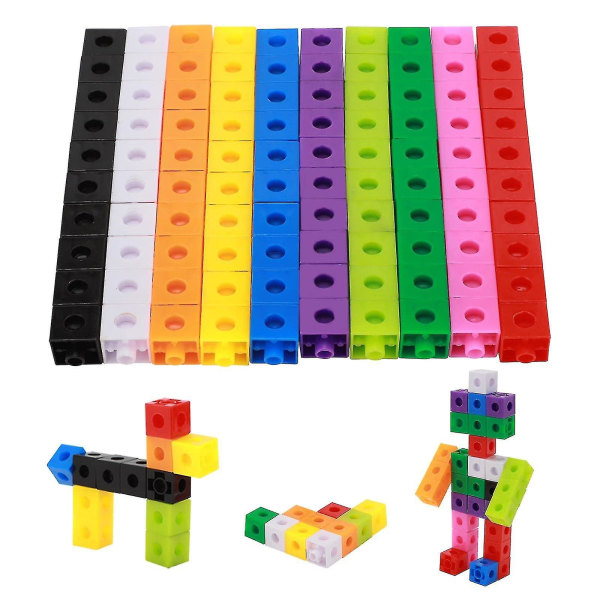
Write simple challenges on slips of paper and pull one out of a hat: build the tallest tower, a bridge between two books, or something that rolls. Building blocks or snap cubes work well, and kids can time each other for an extra challenge.
12. Put on a show
Give the kids an hour to plan a concert, puppet show or play, with tickets and a stage made from a sheet over a doorway. Socks make easy puppets. Grandparents on a phone call make a great audience too.
Tips to make indoor days easier
- Rotate toys. Put half the toys away for a few weeks, then swap them back. Old toys feel new again.
- Keep a rainy day box with tape, paper, crayons, playdough tools and a deck of cards, so you are not scrambling on the day.
- Mix busy and quiet. Follow a cubby or pillow mountain session with a puzzle, drawing or books.
- Let them be bored for a bit. Boredom is often where the most creative games begin.
- Get outside if you can. A short walk in raincoats and gumboots, or puddle jumping, can reset everyone's mood.
Before a big play session, look around for anything that could cause trouble: unsecured furniture or TVs that could tip, cords from blinds, and loose button batteries in remotes or toys. Product Safety Australia has free guides on toppling furniture, blind cords and button batteries. If you think a child has swallowed a button battery, call the Poisons Information Centre on 13 11 26 straight away. For any other health concerns, talk to your GP or child health nurse.
You don't need a packed schedule or a cupboard full of new toys to get through a wet week. A few good ideas, a bit of mess and some time on the floor together go a long way.