
Smart Toy Shopping for Birthdays and Christmas on a Budget
A practical guide to buying toys for birthdays and Christmas without overspending: set a budget, buy for the age, check safety labels and know your consumer rights.
Birthdays and Christmas have a way of arriving all at once. The good news is that a thoughtful gift rarely needs to be the most expensive one. A few simple habits can help you spend less, choose better and keep little ones safe.
Start with a budget you can live with
Before you open a single website, decide on a total amount for the season and write it down. Then split it by person. It is much easier to say no to an impulse buy when you can see exactly what is left for each child, niece, nephew or grandchild.
- Make a list of everyone you are buying for, including teachers, party gifts and stocking fillers. These small extras add up quickly.
- Set a per-person limit and include delivery costs and batteries in that figure.
- Spread purchases over a few months if you can, rather than doing it all in one late rush.
- Suggest a family gift limit or a Secret Santa for the kids. Many relatives are relieved when someone does.
Children often play longest with one toy that matches their interests. If the budget is tight, pick one main gift and one small extra rather than a pile of things that get forgotten by January.
Buy for the age, not the price tag
A bigger price does not make a toy a better fit. What matters is whether it suits the child's age, stage and interests. Age labels on toys are not just about skill. Product Safety Australia explains that age grading is often about safety, such as small parts that are a choking risk for children under three.
- For babies and toddlers, look for sturdy toys without small or detachable parts. Simple stacking, sorting and pushing toys tend to get plenty of use.
- For preschoolers, toys that invite pretend play, building and moving around suit this busy stage.
- For school-age children, games, construction sets and craft kits that offer a bit of challenge can hold their attention for longer.
- If siblings share a home, think about whether a toy for an older child has small pieces that a younger one could reach.

The reverse is true too. A set labelled 14 plus is designed for teens and adults, even if a younger child loves the look of it.
Check the safety labels
Australia has mandatory safety standards for some toys. According to Product Safety Australia, these include rules for toys for children up to and including 36 months (which limit small parts), toys containing magnets, and products with button or coin batteries, which must have secure battery compartments and warnings.
- Read the age and warning labels on the packaging and in the product listing.
- For anything with batteries, check how the battery compartment closes. Button batteries should be secured, often with a screw.
- Be wary of small, powerful magnets, and keep any loose magnets well away from young children.
- Search the recalls list on the Product Safety Australia website if you are unsure about a particular toy.
If you think a child has swallowed a button battery, Product Safety Australia advises calling the Poisons Information Centre on 13 11 26 straight away, or going to the nearest emergency department. Do not wait for symptoms.
Read product pages carefully when buying online
Shopping online makes comparing prices easy, but photos can be misleading about size and contents. A few extra minutes on each listing can save a disappointing unwrapping.
- Check the dimensions and compare them with something you have at home.
- Look at exactly what is included, such as how many pieces and whether accessories in the photos come with it.
- Check whether batteries are included, and what type the toy needs.
- Read the recommended age and any warnings.
- Check who you are buying from and where the business is based, and read its returns information before you pay.
- Order early enough that you are not relying on last-minute delivery.
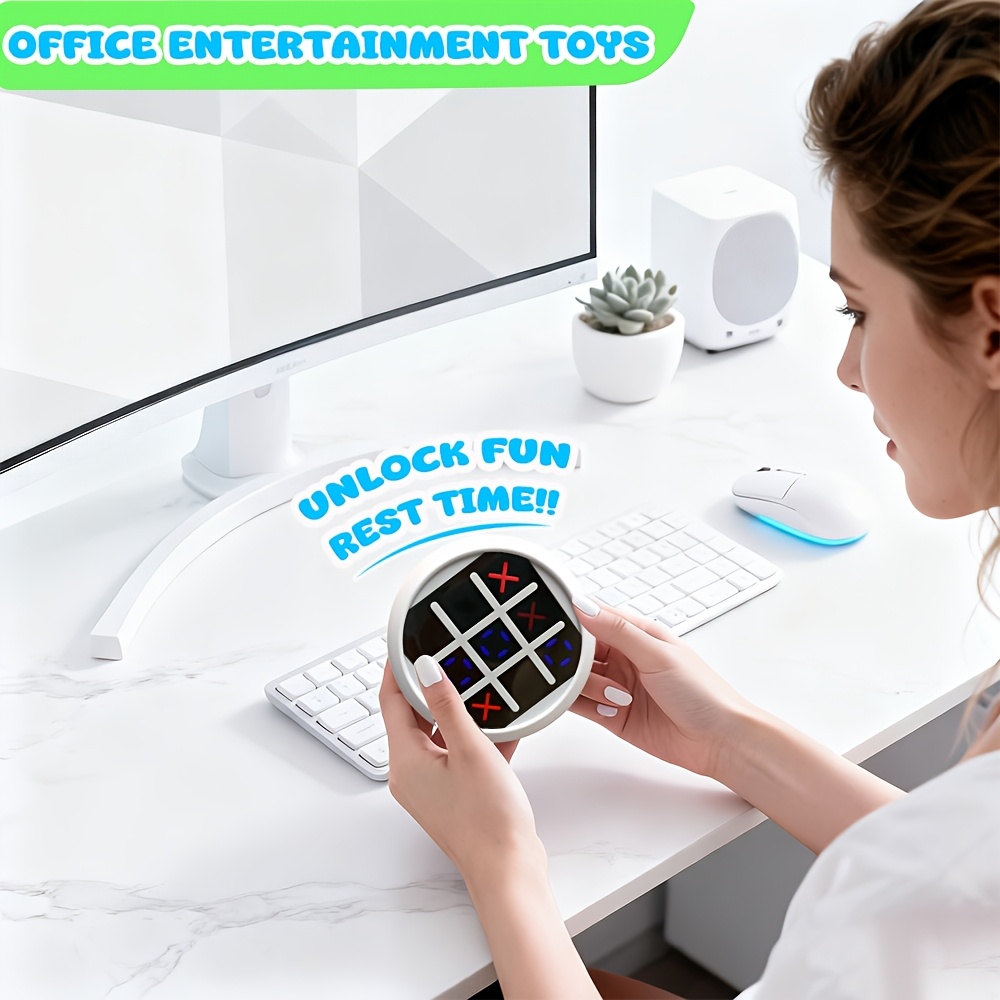
The ACCC's Scamwatch also warns about fake online stores, particularly around busy shopping periods. Prices that seem far too low, payment only by bank transfer and missing contact details are worth a second look.
Wrap and store gifts safely
Hidden presents are a magnet for curious children, so store them up high or in a locked cupboard, especially anything with batteries, magnets or small parts. Keep spare batteries in their original packaging and out of reach.
- On the day, clear away plastic bags, wrapping, ribbon, ties and small packaging pieces as gifts are opened. Raising Children Network notes that plastic bags and packaging can be a suffocation or choking risk for young children.
- Check each toy before handing it over to make sure it is fully assembled and battery covers are closed.
- Supervise young children with new toys, particularly when older siblings' gifts are out at the same time.
- Keep receipts and order confirmations together in one place in case something goes wrong.
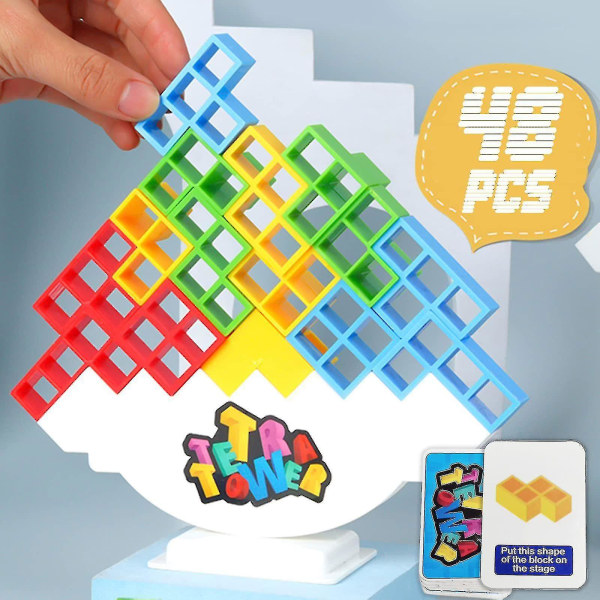
Your Australian Consumer Law rights, in plain terms
The ACCC explains that when you buy from an Australian business, the products come with automatic consumer guarantees under the Australian Consumer Law. This applies whether you shop in store or online.
- Products must be of acceptable quality, safe and durable, and free from defects.
- They must match the description, photos or sample you were shown.
- They must be fit for the purpose the business said they were for.
- If there is a major problem, you can usually choose a refund or replacement. For a minor problem, the business can choose to repair, replace or refund.
- According to the ACCC, people who receive a gift generally have the same rights as the buyer, though proof of purchase may be needed.
Changing your mind is different. The law does not require a business to accept change-of-mind returns, so it depends on each shop's policy. At ToySaleOnline we offer 30-day change-of-mind returns on unused items, plus your Australian Consumer Law rights.
The short version
Set a budget, buy for the age, read the labels and the whole product page, keep gifts and batteries out of reach, and keep your receipts. If you have concerns about your child's health or development, talk to your GP or child health nurse.