
Toys That Build Fine Motor Skills: A Guide by Age
What fine motor skills are, the toys and activities that help at each age, from stacking cups to play dough and threading, and when to chat with your GP or an OT.
Doing up a button, holding a pencil, peeling a mandarin, opening a lunchbox. These small, everyday jobs all rely on fine motor skills, and children build them slowly through years of play. The good news is that you do not need special equipment. A few well-chosen toys and some everyday household items go a long way.
What are fine motor skills?
Fine motor skills are the small, controlled movements of the hands, fingers and wrists, usually working together with the eyes. Raising Children Network, the Australian parenting website, describes them as the skills children use to pick up and hold small objects, use cutlery, draw and write, and get dressed. They grow alongside gross motor skills, which are the bigger movements like crawling, running and climbing.
Fine motor development builds strength in the small muscles of the hand, control of the fingers one at a time, the ability to use two hands together, and hand-eye coordination. Every child develops at their own pace, so think of the age groups below as rough guides rather than deadlines.
Babies: grasping, reaching and letting go
In the first year, babies move from reaching and swiping to grasping objects with the whole hand, then passing them from one hand to the other, and later picking up small things between thumb and finger. Simple play makes a big difference.
- Offer rattles and soft toys that are easy to grab and shake.
- Give plenty of supervised tummy time, which builds shoulder and arm strength that hands rely on.
- Let them bang, drop and pick up toys. Dropping things over and over is practice at letting go.
- Fill and empty games: putting large blocks into a container and tipping them back out.
Toddlers: stacking, posting and turning
Between one and three, children start stacking, posting shapes through holes, turning pages in board books, scribbling with chunky crayons and twisting lids. They love repeating the same action again and again, and that repetition is exactly how skills settle in.
- Stacking and nesting cups, which practise grip, release and careful placement.
- Shape sorters and simple chunky-knob puzzles.
- Large wooden or plastic blocks for building towers.
- Chunky crayons and big sheets of paper taped to the table.
- Twisting and screwing toys, such as large nuts and bolts, which build wrist rotation.

Product Safety Australia warns that small parts are a choking hazard for babies and young children, who explore by putting things in their mouths. Check the age label on every toy, keep small pieces from older siblings' toys out of reach, and supervise play. Also keep button batteries and small, powerful magnets well away from young children.
Preschoolers: threading, play dough and puzzles
From around three to five, children's hand control becomes more precise. This is the age when threading, cutting, drawing shapes and working with play dough really come into their own.
- Threading and lacing: large beads, pasta tubes or lacing cards on a thick string. Start big and move to smaller beads as they improve.
- Play dough: squashing, rolling, pinching and cutting dough builds hand strength. Add a rolling pin, cutters and a blunt plastic knife.
- Jigsaw puzzles with more pieces, moving from chunky knobs to interlocking pieces.
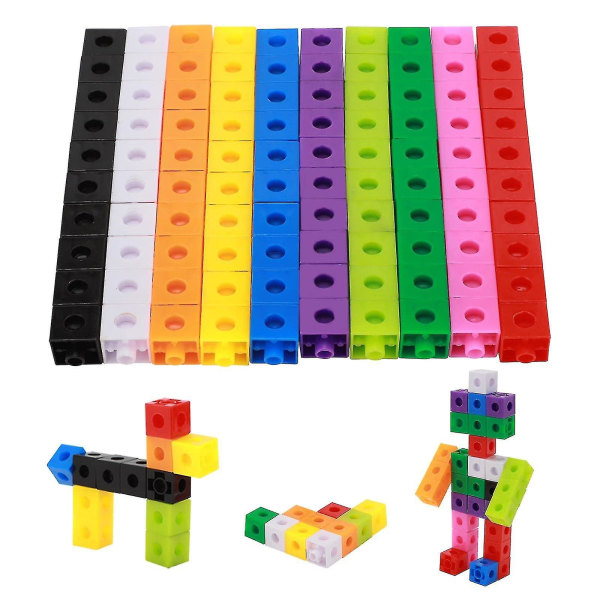
- Building bricks and snap-together cubes, which need pushing, pulling apart and careful lining up.
- Craft: tearing paper, using stickers, gluing, and cutting with child-safe scissors under supervision.
- Pegs and peg boards: squeezing clothes pegs onto the edge of a box is a cheap, effective finger strengthener.

Home-made play dough is quick, cheap and easy to tweak. Many families use plain flour, salt, water, a little oil and food colouring. Store it in an airtight container, and supervise younger children, as salty dough should not be eaten.
School-age children: building, crafting and making
Once children start school, fine motor skills are tested daily: holding a pencil, cutting along lines, opening packets and tying shoelaces. Play still matters, and it can help take the pressure off handwriting practice.
- Building brick sets with smaller pieces and step-by-step instructions.
- Craft kits involving clay, beads, painting, weaving or sewing cards.
- Drawing, colouring and tracing for pencil control.
- Helping in the kitchen: stirring, pouring, spreading, peeling and cracking eggs.
Everyday ways to build fine motor skills
Toys help, but daily life is full of fine motor practice. A few easy habits:
- Let children do up their own zips, buttons and velcro, even when it takes longer.
- Ask them to help peel stickers, open containers and unwrap things.
- Play with tongs or large tweezers, moving pom poms or cotton balls between bowls.
- Use water play: squeezing sponges, pouring between cups and using squirt toys in the bath.
- Keep sessions short and fun. Stop before frustration sets in.
When to chat with your GP or an occupational therapist
Children develop at different rates, and a child who is slower with one skill is often ahead in another. Still, it is worth trusting your instincts. If something does not feel right, talk to your GP or child health nurse. They can check your child's development and, if needed, suggest an occupational therapist (OT), who specialises in helping children with everyday skills like hand use, dressing and handwriting.
Some things worth raising with a health professional include:
- Your child loses skills they previously had.
- Your baby or young toddler uses one hand far more than the other, or seems to ignore one hand.
- Your child has ongoing difficulty picking up, holding or letting go of objects compared with others their age.
- Your child avoids hand activities such as drawing, building or play dough, or becomes very upset when trying them.
- Self-care tasks like feeding, dressing or using cutlery remain much harder than for their peers.
- Your child's early childhood educator or teacher has raised concerns.
Raising Children Network has more on child development and when to seek help, and your child's health record book (often called the blue book or red book, depending on your state or territory) includes developmental checks to follow.
Fine motor skills grow through lots of small moments, not long practice sessions. Follow your child's interests, offer toys that suit their age and stage, sit with them while they play, and celebrate the effort as much as the result.